
The Team
Led by J. Reid Meloy, PhD, ABPP
Experts in the assessment and prevention of targeted violence.
Meet our team
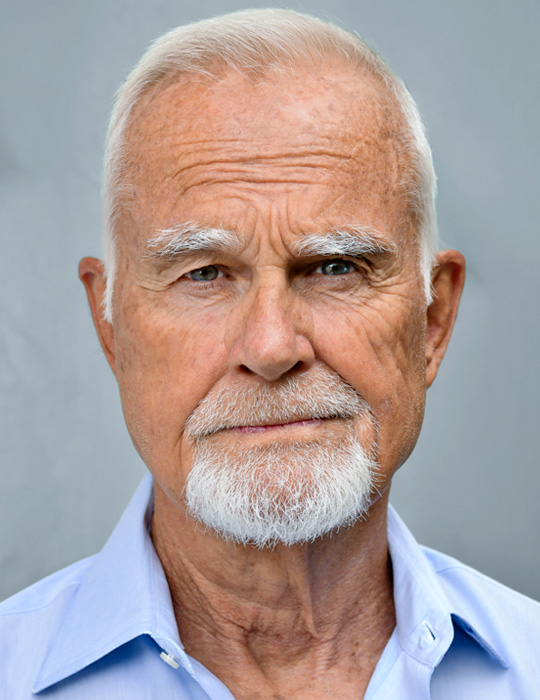
J. Reid Meloy, PhD, ABPP
Dr. J. Reid Meloy is a board-certified forensic psychologist, research psychoanalyst, and internationally recognized expert in psychopathy, stalking, and targeted violence. He developed the TRAP-18, a structured professional judgment instrument used by counterterrorism professionals internationally, and co-created the WAVR-21, an assessment tool for targeted workplace and campus violence. For 24 years, he served as a consultant to the FBI’s Behavioral Analysis Unit, advising on criminal, counterintelligence, and counterterrorism cases. He has authored or co-authored more than 270 peer-reviewed papers and 15 books, including the International Handbook of Threat Assessment. His contributions to forensic psychology and threat assessment have earned numerous professional honors, including lifetime achievement recognition.
Read Full Bio
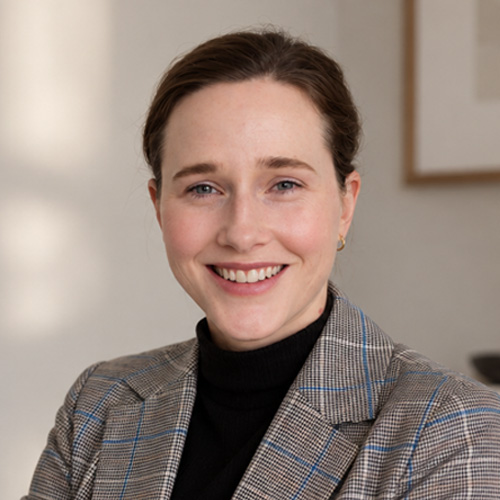
Anna Grace Burnette, Ph.D.
Associate Director of Threat AssessmentUniversity of Virginia (UVA)
Dr. Burnette is a licensed clinical psychologist whose work focuses on violence threat assessment, risk management, and evidence-based violence prevention. She brings experience in forensic evaluation, clinical practice, and research, and has trained threat assessment teams and presented to professional audiences nationally and internationally.
Read Full Bio
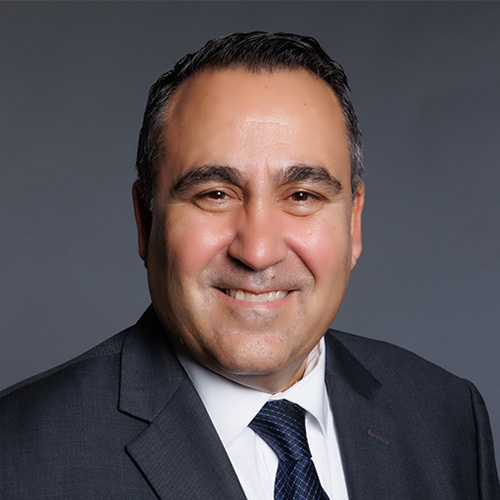
Kostas A. Katsavdakis, Ph.D., ABPP
forensic psychologist
Dr. Kostas A. Katsavdakis is a board-certified forensic psychologist with 30 years of experience in behavioral threat assessment across counterterrorism, workplace violence, schools, campuses, and stalking cases. He provides national and international training in threat assessment and management and serves as an adjunct associate professor at John Jay College of Criminal Justice.
Read Full Bio
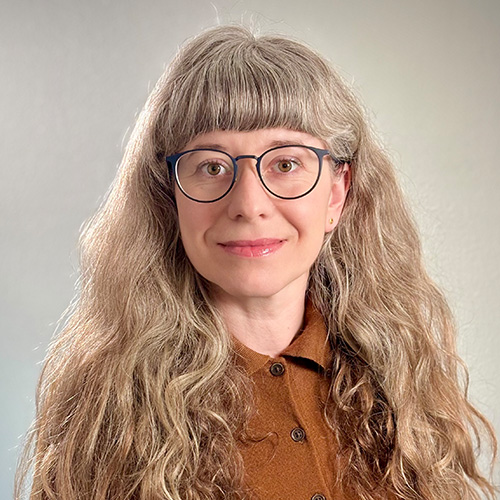
Julia Kupper
Tactical Linguist and Threat Analyst
Julia Kupper is a Tactical Linguist and Threat Analyst who combines language analysis with behavioral threat assessment to help identify and mitigate threats of targeted violence. With more than a decade of operational experience, she advises law enforcement and security teams internationally, and contributes to TRAP-18 research, training, and applied case analysis.
Read Full Bio

MJ Meloy, Ph.D.
Dr. Meloy is a forensic and clinical psychologist with extensive experience in neuroscience research, brain imaging, and the assessment and treatment of mental health conditions. She has contributed to multiple NIH- and NIMH-funded research initiatives and is the founder and CEO of a medical imaging technology company, bringing a multidisciplinary research background to her work with the TRAP-18 team.
Read Full Bio

Molly Amman, JD, CTM
Molly Amman is a former federal prosecutor and FBI profiler with extensive experience in behavioral threat assessment and the prevention of targeted violence. She previously led the FBI’s multiagency Behavioral Threat Assessment Center and has worked internationally with law enforcement and intelligence partners, authored influential publications, and now provides threat assessment and management services in private practice.
Read Full Bio

Professor Debra Smith, BA (Hons), PhD.
Debra is an internationally recognized expert in terrorism, violent extremism, and evidence-based threat identification and mitigation. Her work bridges research and operational practice, with extensive experience developing applied tools, training frontline practitioners, and advising government and law enforcement agencies across Australia and New Zealand.
Read Full Bio
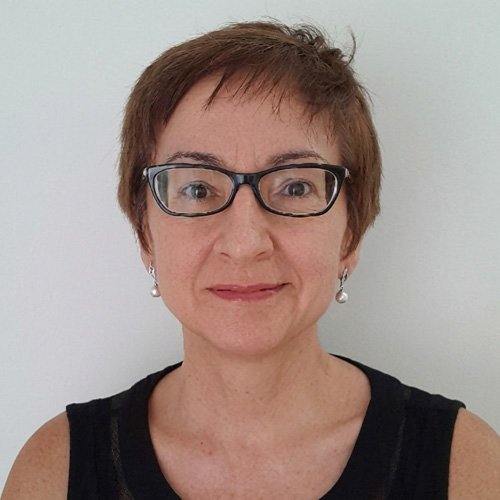
Professor Natalie Pyszora, MB ChB, PhD, FRANZCP, MRCPsych, PgLS
Natalie is a forensic psychiatrist with nearly 30 years of experience in the UK and Australia, specializing in threat assessment, violent extremism, and the management of high-risk individuals. She has applied and delivered training on TRAP-18, advises on countering violent extremism strategies, and holds academic appointments at Victoria University and the University of Western Australia.
Read Full Bio
Natalie is a forensic psychiatrist with nearly 30 years’ experience working in the UK and in Western Australia (WA). For the past 8 years her clinical, operational, and service development work has focused on Fixated individuals, grievance fuelled Lone Actors, and threats of mass casualty attacks and more recently on strategic and operational development of CVE approaches in both community and Corrections settings. She has experience of using the TRAP 18 in community and Correctional contexts and she has delivered training sessions on threat assessment and management to police, dignitary protection officers, intelligence analysts, mental health clinicians, Defence personnel, and electorate office staff. She is the co-author on ***.
Natalie has a special interest in neurodiversity and violent extremism and has supported research and training to assist practitioners’ understanding of how neurodiversity may contextualise risk and vulnerability in violent extremism. She is a member of Commonwealth Committees, Advisory Groups and working groups for CVE strategy, research, and training in Australia and New Zealand. She is an Adjunct Professor at Victoria University and Clinical Senior Lecturer at the University of Western Australia.
In addition to her experience in assessment and multiagency management of individuals radicalized to violent extremism she has extensive experience of assessing and managing individuals presenting a high risk of other types of serious offending including stalking and family and domestic violence. She is a qualified expert for applications under the High Risk Serious Offender Act 2020 (WA) where she undertakes complex clinical assessment and risk assessment as well as providing evidence to the Supreme Court of WA regarding risk formulation and multiagency risk management.
Debra is an internationally recognized expert in terrorism, violent extremism, and police resource allocation for violent extremism threat identification and mitigation. Her work focuses on behavioral indicators of mobilization to targeted violence, evidence-based countering violent extremism, and terrorist rehabilitation and reintegration. Renowned for connecting academic rigor with frontline operational practice, her career is defined by a translational pipeline that strengthens defensible decision-making from policing and corrections agencies through to education and community settings.
Debra has extensive experience in translating complex research into applied tools for national security personnel, frequently co-authoring operational handbooks with industry and community partners. Her translational research directly shapes Countering Violent Extremism (CVE) and Counter-Terrorism (CT) operational decision-making across Australia and New Zealand. Over her career, she has trained more than 1,500 frontline practitioners across 70+ partner agencies in CT police resource prioritization, CVE risk and suitability triage, intervention design, and progress monitoring. She has also delivered specialized training to school leadership in every Australian state and territory on recognizing harm related to young people engaging in extreme violence.
In addition to her research and training, Debra is a sought-after expert for government advisory and media commentary. She has held multiple Ministerial and government advisory positions, is a scientific advisor on Victoria Police’s, National Security Prioritization Assessment Tool Oversight Review and Operations Committees, and provides subject matter expert supervision to practitioners. She also appears frequently as an expert commentator for major domestic and international media outlets.
Former prosecutor and retired FBI profiler Molly Amman, JD, CTM, is an internationally recognized expert in behavioral threat assessment and management. As an experienced front-line investgiator and former prosecutor, she offers unparalleled expertise in assessing and managing threats of targeted violence of all types. Ms. Amman formerly worked in the Behavioral Analysis Unit (BAU) in Quantico, Virginia, and served as program manager for the multiagency Behavioral Threat Assessment Center, which spearheads the FBI’s efforts in targeted violence assessment and management. Her case work at the BAU focused on school and workplace violence, threatening communications, assessing persons of concern for active shooter and other types of planned attacks, deployment to completed attacks, public figure threats, stalking and extortion, and more; she has extensive experience with both ideologically-motivated and personal grievance-oriented offenders.
Ms. Amman has collaborated extensively with law enforcement and public safety partners both at home and abroad, intelligence agencies, professional organizations, members of academia, and private sector partners, in assessing threats of violence posed by individuals and groups. She has conducted training around the world and has authored numerous publications on topics related to law, threats, and targeted violence, including the widely influential Making Prevention a Reality: Identifying, Assessing, and Managing the Threat of Targeted Attacks.
Ms. Amman completed several long-term overseas deployments to further US and allied threat mitigation and anti-radicalization efforts. She was a finalist for the Samuel J. Heymann Service to America medal for her work during a major crisis. Ms. Amman also served on the faculty of the FBI Academy, as a supervisor in the FBI Special Events Management Program to coordinate public safety assets in relation to major special events such as Olympic games, led a field Joint Terrorism Task Force, and directed field investigations of threats, persons of concerns, and crisis events.
Ms. Amman is now in private practice threat assessment and management. She formerly chaired the professional certification program of the Association of Threat Assessment Professionals, and has previously served on the Association Board of Directors. Ms. Amman is also a member of the Canadian Association of Threat Assessment Professionals.
Dr. Meloy earned a Ph.D. in Psychology and completed pre-doctoral internships in both neurological and forensic psychiatric inpatient settings. She completed a post-doctoral fellowship in Forensic Psychology in January 1999 and was licensed in 2000. Prior to her second career as a psychologist, she earned her degree in radiologic technology and was licensed as a radiologic technologist and MRI technologist in 1983 and worked as such for 30 years. Because of these unique qualifications, Dr. Meloy was recruited by the University of California, San Diego, School of Medicine in 1999 on a 5-year grant studying cortical laterality in subjects with either schizophrenia or bipolar disorder. Since that time, she has been either a co-investigator, consultant or research assistant for multiple NIH and NIMH funded grants focused on brain function and development in children, adolescents, and adults with and without histories of mental or medical illness.
Her work on the Functional Biomedical Informatics Research Network (FBIRN) project allowed her to apply the expertise learned from these studies to future research efforts, including the North American Prodrome Longitudinal Study (NAPLS), the National Consortium on Alcohol and Neurodevelopment in Adolescents (NCANDA), and the TMARC consortium studies. In addition to her faculty position in the Department of Psychiatry at UCSD, Dr. Meloy has worked as a forensic psychological consultant and treating clinical psychologist. Her private psychotherapy practice focused on treatment and managed care for individuals with a range of mental health diagnoses and/or court ordered mandated treatment. Dr. Meloy is also the CEO and founder of NoMoCo Inc., a medical imaging pillow support system enabling both researchers and clinicians to obtain clear, artifact free images by stabilizing a patient’s head during Magnetic Resonance Imaging scans. Her company has a global customer base. Dr. Meloy is excited to assist with the TRAP-18 administration and team projects!
Tactical Linguist and Threat Analyst
Julia Kupper is a Tactical Linguist and Threat Analyst with more than 10 years of operational experience. She combines behavioral threat assessment with linguistics—the science of language—to help multi-disciplinary teams identify, analyze and mitigate threats of premeditated violence before they escalate. She developed the concept of “Tactical Linguistics,” a pre-incident approach demonstrating how language analysis supports threat assessment across foreign and domestic threats of terrorism and other forms of targeted violence.
As a consultant, Ms. Kupper works with law enforcement agencies, workplace violence prevention teams and security teams at educational institutions and cultural organizations. She supports active case investigations by providing linguistic threat analyses of high-risk communications. This includes terrorism manifestos, online extremist content, threatening messages, bomb threats, ransom demands, suicide notes and stalking letters. Ms. Kupper has briefed and trained government officials, law enforcement agencies, intelligence representatives, security professionals and mental health specialists across North America, Europe, Oceania and Africa. Her audiences have included the Federal Bureau of Investigation, the Department of Homeland Security, the Marine Corps Insider Threat Hub, the Los Angeles Police Department, the Los Angeles County Sheriff’s Department, the German Federal and State Police, the Ministry of the Interior of Germany, the Australian Fixated Threat Assessment Center and New Zealand Police.
TRAP-18 Training and Instruction
Ms. Kupper trained in the Terrorist Radicalization Assessment Protocol (TRAP-18) under Dr. Reid Meloy in 2021 and has applied the instrument in case work and research since then. In September 2025, she delivered TRAP-18 workshops for the U.S. Department of Justice’s International Criminal Investigative Training Assistance Program (ICITAP) in Pristina, Kosovo, and Tirana, Albania. Participants included counterterrorism police, intelligence agencies and correctional intelligence units. She has also presented TRAP-18-based case analyses at professional conferences, such as the ATAP Threat Management Conference, ATAP Winter Conference and the Hawai’i Threat Assessment Conference.
TRAP-18 Research
Ms. Kupper has published more than 20 peer-reviewed studies and articles. Her research, for instance, applies the TRAP-18 to the language and behavior of lone-actor terrorists and other targeted attackers, with the goal of translating academic findings into operational relevance.
Kostas A. Katsavdakis, Ph.D., ABPP is a Licensed Psychologist and Diplomate in Forensic Psychology with the American Board of Professional Psychology. Dr. Katsavdakis has 30 years of experience with conducting Behavioral Threat Assessments across contexts. He specializes in operational assessments for counterterrorism matters, workplace targeted violence, within K-12 settings, campus settings an stalking cases. Dr. Katsavdakis provides extensive trainings nationally and internationally on threat assessment and management, including training K-12 school districts to develop their own internal BTAM teams. Dr. Katsavdakis focuses on developing individualized management plans, following a comprehensive assessment process, to help prevent a subject from carrying out a targeted attack, whether against a school, campus or public location.
Dr. Katsavdakis completed 2 post-doctoral fellowships, one at the Karl Menninger School of Psychiatry and Mental Health Sciences in Topeka, Kansas. He earned his Board Certification in Forensic Psychology, under the American Board of Professional Psychology in October of 2013. He is currently a Board Member, Corresponding Secretary and the President-Elect of the American Board of Forensic Psychology. He is currently an Associate Professor-Adjunct at John Jay College of Criminal Justice where he teaches graduate and undergraduate courses in psychology of criminal behavior, forensic psychological testing, assessment of psychopathy and psychology/law.
Dr. Katsavdakis is most proud of being a devoted hockey dad and "amateur" but avid sport fisherman!
Dr. Reid Meloy is a board-certified forensic psychologist (ABPP) and research psychoanalyst. He is a former clinical professor of psychiatry at the University of California, San Diego, School of Medicine, and a faculty member of the San Diego Psychoanalytic Center. He is a fellow of the American Academy of Forensic Sciences and is past president of the American Academy of Forensic Psychology. He has received a number of awards and honors, including the first National Achievement Award in 1998 from the Association of Threat Assessment Professionals, the Manfred Guttmacher Award from the American Psychiatric Association in 2022, the Distinguished Contributions to Forensic Psychology Award from the American Academy of Forensic Psychology, and in 2026, the lifetime achievement award from the California Psychological Association. He was the Yochelson Visiting Scholar at Yale University in 2015, and Visiting Scholar at the Psychiatric University Hospital Zurich—originally the Burgholzli Clinic—in 2018. Dr. Meloy has authored or co-authored over two hundred seventy papers published in peer-reviewed psychiatric and psychological journals, and has authored, co-authored or edited fifteen books. He has been consulting, researching, writing and testifying about personality disorder, psychopathy, stalking, narcissism, criminality, mental disorder, and targeted violence for the past thirty years. His first book, The Psychopathic Mind (Aronson, 1988), was an integration of the biological and psychodynamic understanding of psychopathy. His co-edited book with Drs. Hoffmann and Sheridan, Stalking, Threatening and Attacking Public Figures (Oxford University Press, 2008), led to a commissioned study for the National Academy of Sciences on threats toward public figures published in 2011 (www.nap.edu). The first edition of the International Handbook of Threat Assessment was published in 2014, and the second edition in 2021 (Oxford University Press). Dr. Stephen White and he created the WAVR-21 (wavr21.com), a widely utilized structured professional judgment instrument for targeted workplace and campus violence, now in its third edition.
Dr. Meloy was a consultant on criminal, counterintelligence, and counterterrorism cases for the Behavioral Analysis Unit, FBI, Quantico, for twenty-four years. His counterterrorism work began when he was retained as the consulting forensic psychologist by the U.S. Attorney General in the prosecution of the defendants McVeigh and Nichols in the Oklahoma City bombing cases. He is the originator and developer of the TRAP-18 (Terrorist Radicalization Assessment Protocol; mhs.com), a validated risk assessment instrument used by counterterrorism professionals in North America, Europe, South Africa, Australia and New Zealand. He was a member of the Fixated Research Group for the United Kingdom’s Home Office concerning threats to the Royal Family and British political figures, which led to the development of fixated threat assessment centers in multiple countries. He was also a founding associate editor of the Journal of Threat Assessment and Management. Dr. Meloy is intermittently quoted in the New York Times, the Washington Post, the Wall Street Journal, the Los Angeles Times, the New Yorker magazine, and NPR. He was a technical consultant to the television series CSI from its inception in 2000 until its final episode in 2015; and was the technical consultant to “Indivisible: Healing Hate,” a Paramount+ six-part cable series exploring the historical roots of the Jan. 6, 2021 attack on the US Capitol—which has since been removed from their platform.